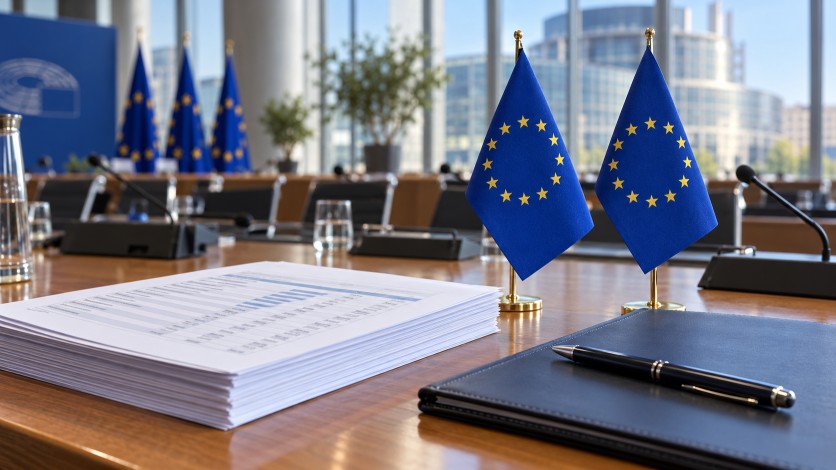
Germany and five other significant contributors to the European Union’s budget are pushing for major reductions to the proposed €2 trillion budget for 2028–2034, escalating tensions over spending priorities within the bloc. The coalition, which includes Austria, Denmark, Finland, the Netherlands, and Sweden, has jointly called for cuts amounting to several hundred billion euros, emphasizing a need for fundamental reform.
In their joint statement, these countries have highlighted a desire to reorient EU spending towards areas such as security and defense, competitiveness, innovation, and migration management. They are advocating for changes in traditional spending areas like agriculture and regional development funding, which they believe require reevaluation to better align with current priorities.
The European Commission’s current budget proposal aims to address a range of priorities, including regional development, agriculture, competitiveness, security, migration, and global partnerships. However, the demand for a scaled-back budget has met with resistance from other member states that support the continuation or even an increase in funding for certain traditional sectors like agriculture and regional development.
As negotiations continue, EU governments are working towards reaching an agreement before the new financial framework is set to commence in 2028. The debate over the budget reflects broader differences among member states regarding the future direction of EU spending and the allocation of resources in a rapidly changing global landscape.