
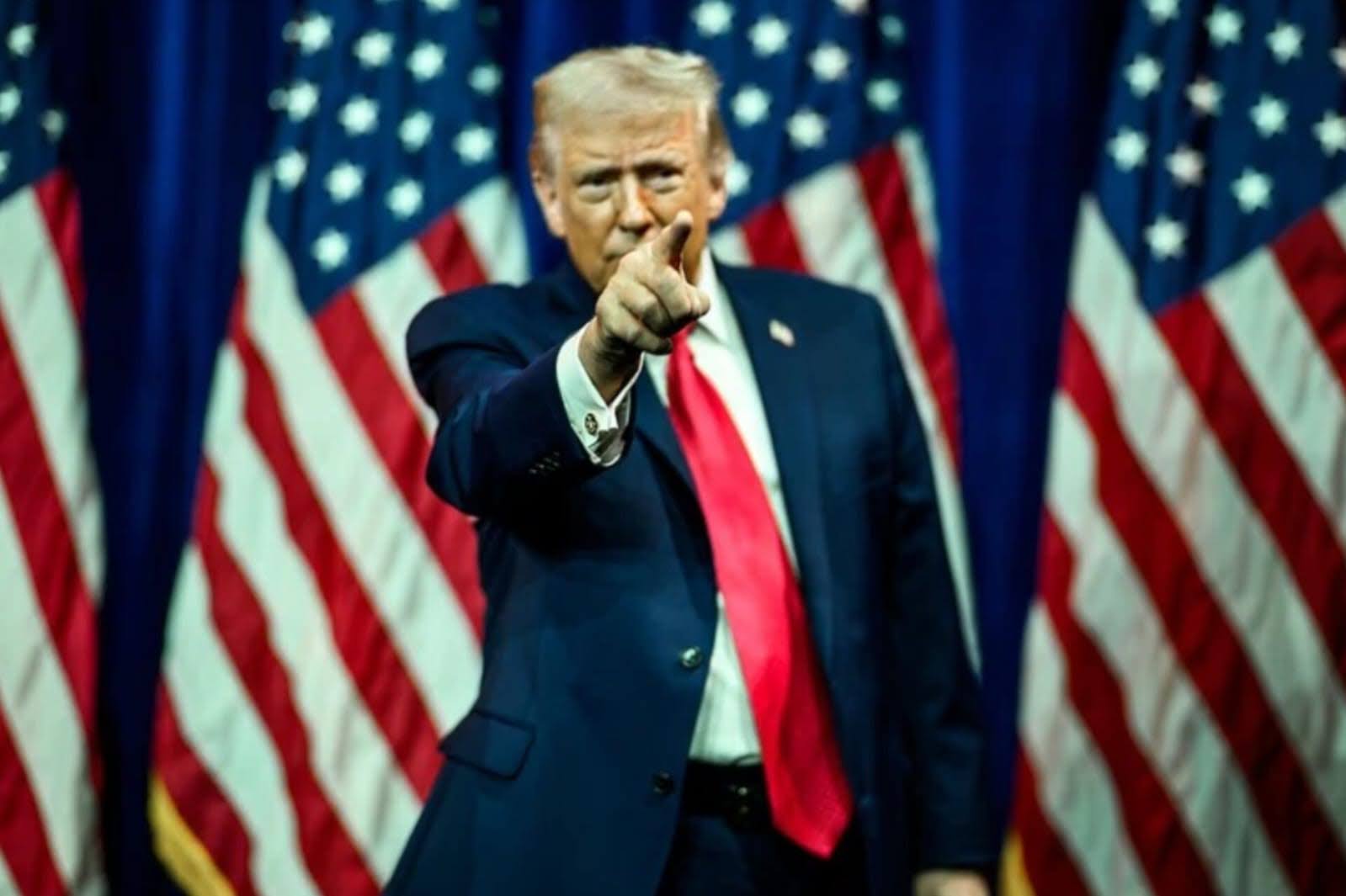
In a characteristically blunt assessment, President Donald Trump has accused Iran of lying about the status of peace talks, claiming the nation is actually “begging” for an end to the war. Trump dismissed Tehran’s official line—that it is simply “looking at” a US ceasefire proposal—calling the claim “WRONG” and asserting that the country has been militarily crushed. The President’s comments on Thursday underscored the deep mistrust that continues to plague diplomatic efforts to halt the violence.
The current crisis began in early 2026 and has since evolved into a multi-front conflict involving US, Israeli, and Iranian forces. The United States has proposed a 15-point ceasefire that would require Iran to shutter its nuclear facilities and accept strict limits on its military reach. This plan also emphasizes the reopening of the Strait of Hormuz, a critical bottleneck for global energy markets that has been a focal point of recent naval skirmishes.
Iran’s counter-proposal reflects a refusal to accept what it views as a “one-sided” deal. Tehran is seeking guarantees against future military intervention and the lifting of all economic sanctions as a prerequisite for any peace. The Iranian leadership has also insisted on maintaining control over the Strait of Hormuz, a demand that stands in direct opposition to the “freedom of navigation” principle championed by the Trump administration.
As the political posturing continues, the human cost of the war is reaching staggering heights. With over 2,600 combined deaths in Iran and Lebanon and 13 American fatalities, the conflict is increasingly being viewed as a humanitarian catastrophe. Millions of people have been uprooted from their homes, and the constant threat of missile strikes has paralyzed major cities across the Levant and the Persian Gulf.
The immediate future hinges on whether the April 6 deadline will lead to a breakthrough or a broader regional conflagration. President Trump’s warning that there will be “no turning back” suggests that the US military is prepared to strike Iran’s energy infrastructure if the stalemate persists. While intermediaries remain hopeful, the conflicting narratives from Washington and Tehran suggest that a peaceful resolution is still far from guaranteed.