
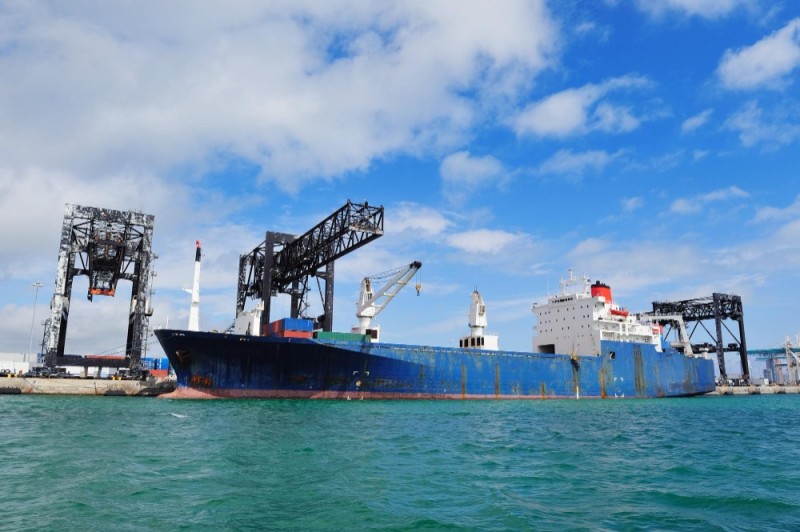
Despite the European Union’s pledge to halt all imports of Russian liquid natural gas (LNG) by next year, the Netherlands continues to bring in around 12% of its LNG from Russia. This is part of a broader trend among EU nations, with Belgium, France, Spain, and Portugal also still importing Russian LNG. In the first quarter of this year, Belgium received as much as 40% of its gas from Russia.
The precise amount of Russian LNG destined for the Dutch market is challenging to ascertain, as much of the gas arriving at Rotterdam is intended for other countries in Europe. Jilles van den Beukel from The Hague Centre for Strategic Studies expressed surprise at the scale of these imports, noting it was “much larger than I had expected.” In 2025, the Netherlands imported 13% of its gas from Russia, a slight decrease from the current 12%. This is also significantly down from 2022, when Russian gas accounted for 34% of imports following the invasion of Ukraine.
One contributing factor to the sustained imports is long-term purchasing contracts that are difficult to break, as explained by climate and green growth minister Sophie Hermans. The Institute for Energy Economics and Financial Analysis (IEEFA) has urged European countries to boost investments in renewable energy to lessen their reliance on gas, thereby mitigating the impact of price fluctuations and supply disruptions. According to IEEFA, Europe could reduce its gas consumption by 14% by 2030, leading to a 23% decrease in demand.
The EU has set a ban on Russian natural gas imports by sea container starting in 2027, with a halt to pipeline imports planned for next spring. To offset this, the Netherlands and other European nations have increasingly turned to the USA for natural gas, which now accounts for 77% of their imports. The ongoing conflict between Iran and the USA has complicated matters, as the closure of the Strait of Hormuz, which handles 20% of global liquid gas supplies, has exacerbated the EU’s challenges in banning Russian gas and has driven prices higher.
Van den Beukel remarked on the possibility of the EU delaying the ban on Russian gas imports once again, considering the tightness of the LNG market. He highlighted the dilemma facing the EU: maintaining affordable gas prices without inadvertently supporting Russia’s financial resources. “On the one hand you don’t want to make the LNG market even tighter, which means more expensive, but on the other hand you don’t want to fill Putin’s war chest,” he stated.