
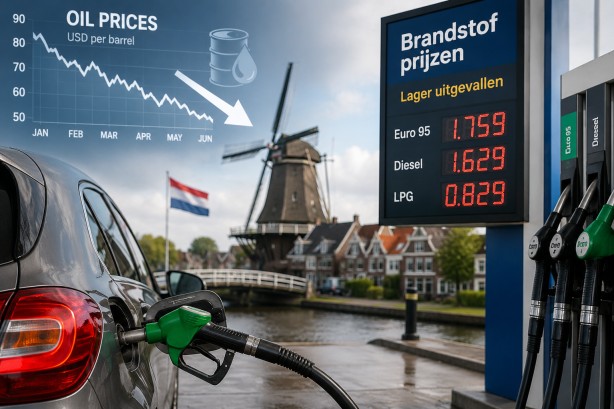
In a significant market shift, oil prices have experienced a sharp decline following the decision by the United States and Iran to cease military strikes. This development is anticipated to lead to reduced fuel costs in the Netherlands in the near future. The price of Brent crude oil has fallen from over €88 per barrel at the end of last week to slightly above €81, marking a notable drop.
The decline in oil prices has been further supported by a stronger euro, which benefits European buyers since oil transactions are conducted in US dollars. This currency dynamic makes oil imports more affordable for countries using the euro, thereby easing the financial burden on European consumers.
Despite the reduction in crude oil prices, the advisory gasoline price in the Netherlands is currently set at €2.634 per liter. This price remains just below the record high of €2.646 per liter, a peak reached earlier this year. Fuel prices have been on an upward trajectory since the conflict involving Iran intensified in late February, contributing to the heightened costs.
Analysts are projecting that the decrease in oil prices will eventually trickle down to fuel stations, resulting in lower prices for consumers. However, it is typical for retail prices to lag behind changes in the global oil markets, meaning that adjustments at the pump may take several days to materialize.